

I notice that miracles get more press around Christmas and Hanukkah. After all, both these events celebrate biblical miracles. And you can find old and new holiday movies in theaters and on TV that depict miraculous transformation in people’s lives.
I experienced a gift and a miracle this month. The gift, my birthday; the privilege of beginning another journey around the sun. The miracle is on wheels.
For context: Though I’m physically challenged by multiple sclerosis, I still sing well and I can play gigs. Finding a handicapped parking place close to the venue entrance is a problem. Walking while carrying gear is no longer an option. I intend to remain a working musician, teacher, and social activist until my proverbial last breath. However, a wrinkle in my plan for the future has been the uncertainty of how I would acquire one of those insanely expensive handicapped-equipped mini-vans when I must transition from walker to wheelchair.
My Christmas miracle is the 2004 “like new,” candy-apple red, low mileage, fully handicapped equipped-loaded-with-extras mini-van that is sitting in my driveway!
I received this gift from the family of a woman with MS whose children bought her the van. After she died, her kids couldn’t find a buyer for the van, not even at a conversion van dealership. They tried to donate it to a local non-profit organization that works with the disabled, but the org refused the van because it would cost too much to insure for commercial use.
It’s funny, that something about me on Facebook stuck in the mind of a person who works at the non-profit org. I got a phone call from the office asking if I would like to have a van they can’t accept as a donation. I was put in touch with the deceased woman’s daughter, who had been told I have MS. She wanted me to have her mother’s van.
The spirit of love and good works is still alive in our cockamamie culture, manifesting in candy-apple red miracles among those of other colors, and forms, and coexisting with a dysfunctional government and a confused society.
After a mind-numbing-spirit-bruising political campaign, we’ve come upon a season when kindness, generosity and love are trending. And right under our noses we find humble gifts of joy, as in live and recorded music in churches; in retail establishments; and in the hearts of carolers who walk in the cold to warm the hearts of their neighbors.
If you’d like to bring the gift of music to underserved people, go charitable. Gather seven or so people who like to sing, and take your music to nursing homes, and rehab centers, or to an elderly person you know is living alone. I guarantee your heart will be filled with gratitude and joy.
If you’ve never tried caroling at Christmas and if you missed Go Caroling Day, Dec. 20, remember; there are 12 days of Christmas, and your group will still be appreciated after Christmas Day. Besides traditional carols, there are plenty of well-known winter pop songs to sing ‘til April. A Google search for “winter songs” will find lists of them. Also, there are dozens of sites on the web that offer advice and tips for organizing a caroling group. Here is one.
I leave you with silliness from my joy-filled heart. Here is parody of a few lines of “The Christmas Song” by Mel Torme; the one that leads off with chestnuts roasting. Anyone who can speak can sing, so go ahead. Wherever you are---on your phone, on the subway, sharing a cab, in a restroom. Sing out and draw someone in.
I wish you a joyous holiday. If you don’t celebrate the common ones, then Happy Festivus!
Chestnuts roasting on an open fire
Make your smoke detectors scream
Be kind to your lungs, to your eyes and each ear
Nuke your chestnuts this year


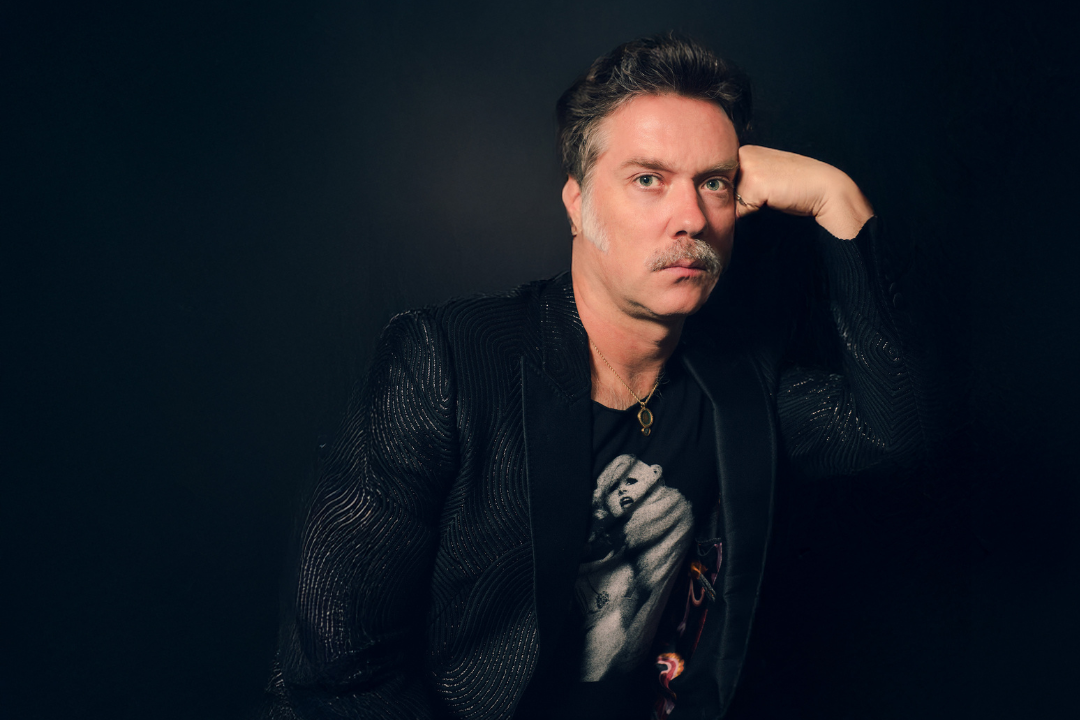
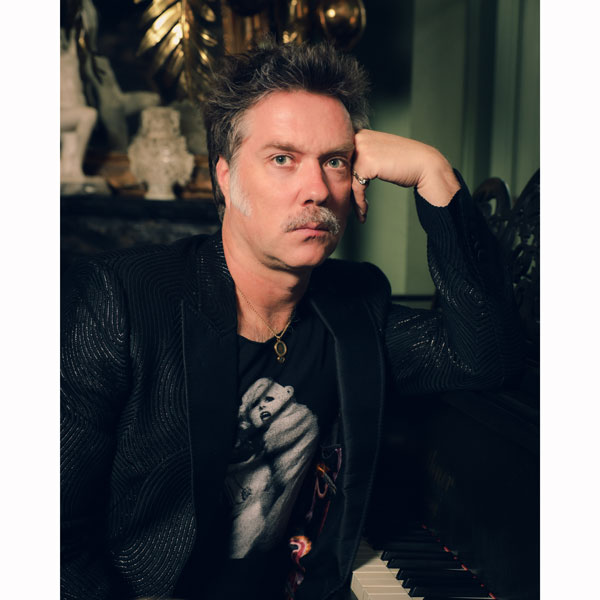
Praised as “the greatest songwriter on the planet,” by Sir Elton John, Rufus Wainwright joins the Princeton Playhouse Sinfonia for a special one-night-only engagement performing selections from his albums Rufus does Judy at Carnegie Hall and Want One, Want Two, and beyond. Princeton Playhouse Sinfonia is a dynamic new collaborative ensemble that brings together student musicians from Princeton University's Sinfonia, directed by Ruth Ochs, and Princeton Playhouse Orchestra, directed by Solon Snider Sway, alongside members of the Princeton Jazz Ensembles and local professional musicians.
On the mark of its 20th anniversary this year, Wainwright’s “Rufus Does Judy” is undoubtedly one of the most sensational shows from his incredible career, an exhilarating and loving recreation of Judy Garland’s infamous 1961 comeback concert. “Rufus Does Judy” made its premiere at Carnegie Hall in 2006 and garnered Wainwright’s first GRAMMY nomination for Best Traditional Pop Vocal Album. The full program has been performed globally including the London Palladium, Hollywood Bowl, Paris’ L'Olympia, and Toronto’s Luminato Festival. For the Colorado Symphony show, Wainwright will curate a special selection of his favorite songs from the album. 2026 will be the last time Rufus reprises this iconic show.
Rufus Wainwright’s Want One and Want Two have earned recognition as iconic albums worldwide, with Paste Magazine elevating Want One to the No. 1 album of the year, and Rolling Stone Magazine listing it in their top 5 best albums of 2003. Bowie hailed Wainwright’s song ‘Dinner at Eight’ as the “best father/son song he knew”. 22 years later, these songs have been given new life through lush symphonic arrangements by Sally Herbert (Woodkid, Florence + the Machine) and Max Moston (Antony and the Johnsons).
Combined in one program, these works form just a few of the many pillars of Rufus Wainwright’s extensive career—works that define his singular voice and fearless emotional range, merging vulnerability with spectacle, tradition with reinvention. Decades on, these songs continue to resonate as the foundation of Wainwright’s legacy.